
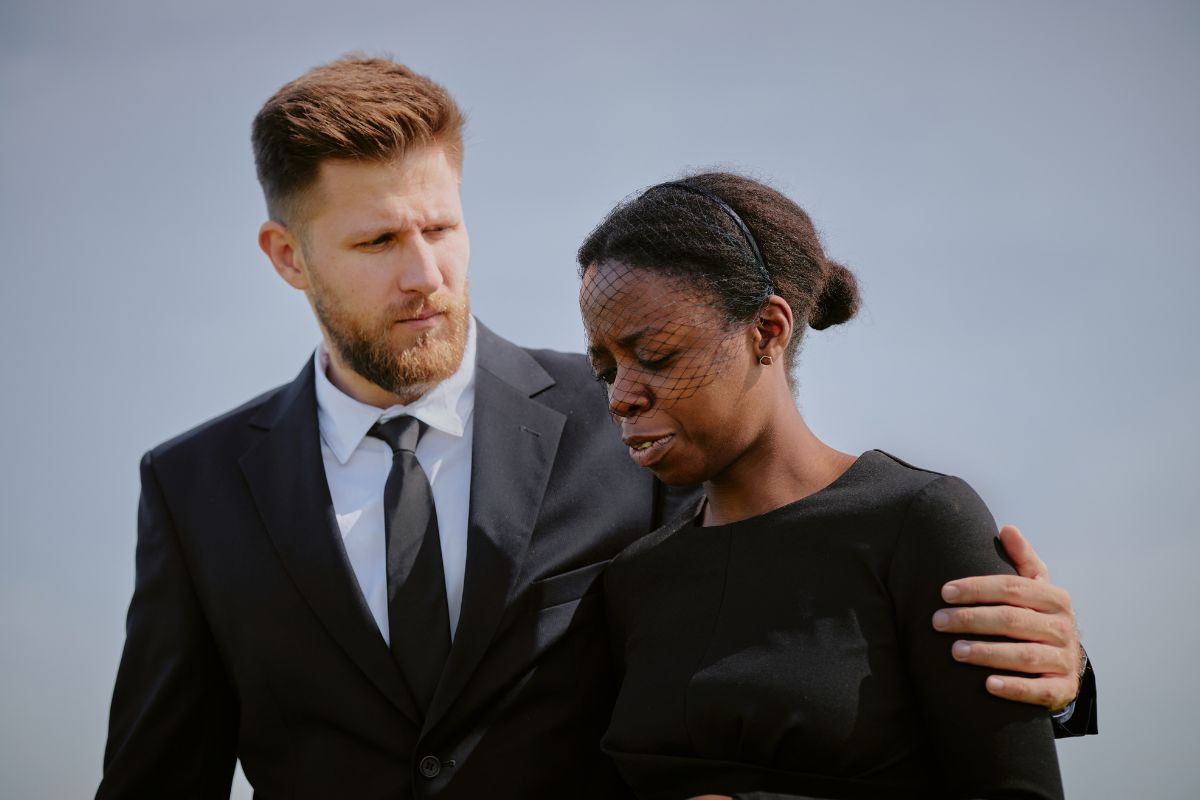
Modern families are beautifully diverse, often weaving together members from many different faith backgrounds, cultural traditions, and personal beliefs. When a Jewish family member passes away and cremation has been chosen, non-Jewish relatives may find themselves with questions about what to expect, how to participate respectfully, and what the ritual elements mean. Helping these loved ones feel informed and welcome is an important part of creating a memorial experience that honors the deceased while drawing the whole family together in shared remembrance.
The good news is that Jewish cremation services, particularly within Reform, Reconstructionist, and many other Jewish communities, are designed to be meaningful and accessible. With a little preparation and open communication, non-Jewish relatives can participate fully and meaningfully alongside their Jewish family members.
Starting With the Basics of Jewish Mourning
For relatives who are unfamiliar with Jewish customs, it helps to begin with the foundational values that shape Jewish mourning. Judaism places enormous emphasis on honoring the deceased, comforting those who grieve, and maintaining the continuity of memory across generations. These values are expressed through specific rituals such as the recitation of Kaddish, the lighting of the yahrzeit candle, and the gathering of family during shiva.
Sharing a simple overview of these concepts with non-Jewish family members can transform what might otherwise feel unfamiliar into something deeply moving. Most relatives, regardless of their own religious background, find that Jewish mourning rituals resonate with universal themes of love, memory, and community support.
Explaining the Choice of Cremation
Some non-Jewish relatives may be surprised to learn that cremation is an option within Judaism, particularly if they have encountered the more traditional view that historically discouraged the practice. Taking a moment to explain that Reform and many other Jewish communities welcome cremation as a meaningful and respectful choice can help bridge any initial confusion.
It is often helpful to share that the decision typically reflects personal values, practical considerations, and family preferences. Whether the choice was made for environmental reasons, financial considerations, or simply personal preference, framing cremation as a thoughtful and intentional decision helps non-Jewish relatives appreciate the depth behind it. Reviewing a Jewish cremation package together can also give curious relatives a clear sense of what is involved and how the process is handled with dignity.
What to Expect at a Jewish Memorial Service
Many non-Jewish relatives are most uncertain about what will happen at the memorial service itself. Offering a brief preview can ease that uncertainty. A typical Jewish memorial service following cremation includes the recitation of psalms, the El Maleh Rachamim prayer asking for peace upon the soul of the deceased, personal eulogies shared by family and friends, and the Mourner's Kaddish recited by the community.
Letting relatives know that participation is welcome but not required can be reassuring. Non-Jewish guests are typically invited to stand during prayers, listen respectfully, and join in moments of remembrance as they feel comfortable. Some may wish to read along with translated prayers or simply absorb the experience quietly. Both approaches are welcomed and appreciated.
Practical Customs and Etiquette to Share
A few simple customs are helpful for non-Jewish relatives to know in advance. Modest dress is traditionally appropriate, often with darker colors. Men may be invited to wear a kippah at the service, which will typically be provided at the entrance. Flowers are generally not part of Jewish mourning tradition, and instead many families prefer charitable donations in memory of the deceased.
After the service, the shiva period begins, during which the immediate family gathers at home to receive visitors. Non-Jewish relatives are warmly welcomed to attend shiva, where the custom is to enter quietly, offer condolences, share memories, and provide quiet companionship. Bringing food to share is a traditional and appreciated gesture. Sharing a guide to Jewish funeral etiquette with relatives ahead of time can be one of the most considerate things a family can do to help everyone feel prepared and at ease.
Honoring the Deceased Through Shared Participation
One of the most beautiful aspects of inviting non-Jewish relatives into Jewish mourning practices is the way it creates shared moments of remembrance across faith traditions. A non-Jewish grandchild may light a yahrzeit candle each year alongside their Jewish relatives. A spouse from a different religious background may attend Yizkor services with their family. These moments of inclusion strengthen the bonds of family and ensure that the memory of the loved one continues to be honored by everyone who loved them.
Many families find that the universality of Jewish mourning customs, with their emphasis on community, story telling, and ongoing remembrance, resonates deeply with relatives regardless of their personal faith. Stories shared at shiva, memories spoken during eulogies, and quiet acts of kindness during the mourning period all speak a language that transcends religious boundaries.
Encouraging Open Conversations Within the Family
Perhaps the most important step in helping non-Jewish relatives feel comfortable is encouraging open conversation before, during, and after the service. Inviting questions, acknowledging that some customs may feel unfamiliar, and offering reassurance that there is no wrong way to participate respectfully can all make a significant difference.
For families who are preparing for the future rather than responding to an immediate loss, having these conversations during pre-planning discussions can be particularly valuable. When everyone in the extended family understands what to expect, the eventual gathering becomes a moment of unity rather than uncertainty.
When Questions Arise About Specific Customs
It is natural for non-Jewish relatives to have specific questions about elements of the service or mourning period. Some may ask about the meaning of the Mourner's Kaddish, which is in fact a prayer of praise rather than mourning, affirming faith and the holiness of life even in the midst of grief. Others may wonder about the practice of placing stones at a memorial site, a custom that signifies the permanence of memory and the visit of the living.
Encouraging questions and answering them with patience is itself an act of love and inclusion. Jewish tradition has always valued learning and dialogue, and helping a relative understand a custom they have just witnessed becomes part of carrying the tradition forward.
A Memorial That Reflects the Whole Family
When families take the time to prepare non-Jewish relatives thoughtfully, the resulting memorial experience reflects the full love that surrounded the deceased throughout their life. Diverse family members stand together in remembrance, share in meaningful rituals, and create memories that will sustain them through the years of grief and healing ahead.
The team at Jewish National Cremation Society is honored to support families navigating these meaningful moments with sensitivity and care. Whether you need guidance on planning a service that welcomes loved ones from many traditions or simply want to talk through your options, a caring representative is always available to provide thoughtful support whenever you are ready.
